


Faith, Familia and Fighting for Answers: Yvette Salinas' Lupus Journey
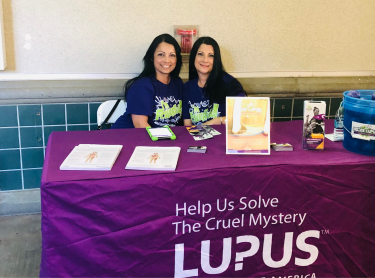
This Hispanic Heritage Month, we’re highlighting Yvette Salinas’ powerful lupus journey. Lupus has never been just her own diagnosis — it's a disease that’s moved through her family for three generations. Yvette has lived with lupus for 30 years and is a thyroid cancer and kidney nephritis survivor. Through all of this, she remains a source of strength for others as a facilitator of two Lupus Foundation of America virtual support groups and an advocate with the Lupus Research Action Network (LRAN). But long before her advocacy journey, she was a 14-year-old girl learning what lupus could do to the people she loved most.
Breaking Cultural Silence with a Family Legacy of Lupus
Yvette's first encounter with lupus wasn't her own diagnosis, but rather her tía’s. She became her terminally ill aunt’s caregiver, watching lupus take its toll up close.
"This experience led me to use my own life experience with Lupus SLE to inspire someone else not to lose hope in the face of their own medical diagnosis and challenges," Yvette tells us.
She’d go on to lose two family members to lupus complications before they turned 30, which shaped how she understood the disease long before it became her own. That history stuck with her, and it’s become one of the driving forces behind her advocacy today.
Yvette was diagnosed with lupus SLE at 26, shortly after having two children in two years. What followed were relentless flu-like symptoms and the sudden, bursting pain of peritonitis flares.
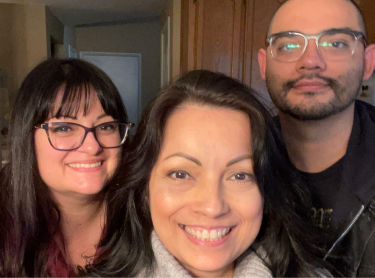
"Life seems to move very slowly due to severe fatigue," she recalls. Family stepped in to care for her toddlers and manage the household — support she says made all the difference. "A lot of people don't realize that your family is part of the healing process."
Yvette’s earliest symptoms — the exhaustion, pain — started years before she had a diagnosis for them. Be Fierce. Take Control.™ was built for that exact moment: a resource for Hispanic and Black women ages 18-25 to recognize the signs of lupus early and take a free symptom questionnaire, so a diagnosis doesn’t have to wait.
A journey of healing, though, meant learning to leave behind some of the silence she had implicitly been taught. As a Hispanic woman, Yvette had to unlearn some of what she'd been taught about illness before she could fully advocate for her own health.
"In many Hispanic families, we are taught to keep our health issues to ourselves and not show our pain," she explains. Rashes, ulcers or unexplained weight gain were often hidden rather than treated, and financial hardship pushed many families toward home remedies instead of medical care.
"I had to learn to become transparent and comfortable with doctors to examine my body and ask personal questions regarding my health."
That silence, she says, often comes from a place of protection — parents shielding kids from fear and not wanting them to worry. It took an older family member finally opening up about her own health struggles before Yvette recognized the pattern in her own family. Breaking that cycle has become central to her advocacy work today.
Yvette’s Health Journeys
Yvette's kidney health declined quietly for years before she had a name for what was happening. For four to five years, she managed chronic kidney and bladder infections and severe back pain. In February 2021, an ER visit for shortness of breath and worsening pain led to an ultrasound that revealed a barely visible, unilateral kidney. A nephrologist ordered a biopsy, which confirmed acute interstitial nephritis — and Yvette began Rituxan infusions to slow further damage. She was ultimately diagnosed with lupus nephritis and kidney atrophy, a condition that can progress silently, especially when only one kidney is affected.
Five years into treatment, Yvette began Truxima infusions this August in hopes of stabilizing her kidney function at Stage 3a. She is the first person in her family diagnosed with lupus nephritis, and she has made it a mission to document every symptom and treatment along the way — a record she hopes will one day help another relative recognize the warning signs sooner than she did.

"It is my hope to protect another family member from going through a lupus diagnosis without understanding how the disease affects the body," she says.
But lupus wasn't the only life-threatening diagnosis Yvette has battled. For years, her longtime internist had been keeping an eye on a growing nodule on the right side of her thyroid, and eventually determined it was time for surgery. The surgeon's plan was to remove only the right side since imaging showed the left side was healthy. But Yvette's internist pushed back, arguing that two separate surgeries wasn't the right call and the whole thyroid should come out at once.
That decision changed everything.
The morning of the surgery, Yvette's internist arrived with a waiver for her to sign so that they can remove both. When surgeons removed the "healthy" left side, they found cancer — malignant and no bigger than a pea. Without her internist's insistence, it might have gone undetected.
Between lupus nephritis and thyroid cancer, Yvette has spent decades learning to listen closely to her body.
"I have learned to listen to my body's pain and struggles by understanding what my body is suffering or needs to feel better," she explains. "I can't allow fear to weaken my faith; I must keep hope alive to trust my medical team and preventative treatments to avoid relapses in my health."
Becoming Her Own Best Advocate
Yvette credits much of her survival — through both her lupus complications and her cancer diagnosis — to fighting for the right medical team, and to the internist of 25 years who has never once let her give up. That same internist later represented Yvette at her SSDI hearing, which resulted in approval at age 27.
Those experiences taught Yvette that self-advocacy is a skill worth building and sharing with others.
"Doctors will see your emotions and not hear you," she says, recalling advice she now passes on to others: separate your case from your feelings, come prepared, and don't stop until you're heard.
“If I could go back in time, I would tell the 26-year-old me to advocate for herself well, so they can hear her complaint and not her emotions.”
A Message for This Hispanic Heritage Month
As a third-generation lupus warrior who’s watched the disease impact her family and now lives with its complications herself, Yvette hopes her openness helps shift how Hispanic families talk about health, from generation to generation.

"I hope families will have open, transparent conversations about their generational medical history," she shares — asking hard questions, pursuing routine care, and staying open to both medical treatment and mental health support.
Faith also remains a steady thread through her story, and she leans on it the same way her family always has. Alongside her medical advocacy support groups with the LFA, Yvette provides virtual spiritual care to the chronic illness community through her family's faith-based nonprofit, Juicy Fruits Ministry.
Her message to anyone navigating a new diagnosis, especially within the Hispanic and Latino community, is simple: “You are not alone.”
"Join an uplifting lupus community to receive the validation, empathy and understanding you deserve for your unique journey,” she said.
The Lupus Foundation of America’s support groups offer a safe, welcoming space to share your experiences and build a community of encouragement. Find support today.