



Emma W. – Diagnosed at Age 28
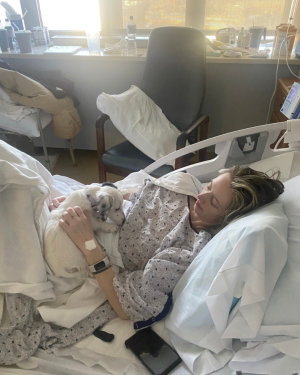
Before my diagnosis, I had been sick for a couple of weeks and then developed a rash, but I did not think much of it at the time. I was also feeling extremely fatigued, but I assumed it was just lingering from being sick earlier.
I then became incredibly ill. I was extremely fatigued, achy, and sore. Even touching my legs felt painful, almost like they were bruised. I could barely raise my arms because my lymph nodes hurt so badly. Then I developed a 105-degree fever that would not go away.
I eventually went to the emergency department, where doctors ran extensive testing. My platelets, red blood cells, and white blood cells were all extremely low. I had an enlarged spleen and liver, inflammation in my lungs and around my heart, kidney involvement, and lupus was even attacking my bone marrow. Doctors suspected leukemia, lymphoma, or autoimmune disease. Thankfully, the biopsies came back negative, which ultimately led to my lupus diagnosis.
It took months after that hospitalization for me to start feeling like myself again. Treatment has helped reduce the organ involvement, but lupus still impacts my daily life in many ways. I continue to struggle with chronic fatigue, joint pain, and getting sick more easily because of the immunosuppressant medications I take. I also lost almost all of my hair during the process, which was incredibly difficult emotionally.
One thing I wish more people understood about lupus is that it is often an invisible illness. Someone can look healthy on the outside while fighting a serious battle internally. Even when lupus is considered “stable,” that does not always mean symptoms disappear. There is also a constant mental and emotional aspect to managing chronic illness.
Lupus has changed the way I view health and life in general. I have had to learn how to slow down, manage my energy differently, and give myself grace on difficult days. It has been a rollercoaster ever since my diagnosis, and I am still learning what my “new normal” looks like.
What gives me hope is the growing awareness around lupus and invisible illnesses, along with the people who continue sharing their stories and supporting one another. Knowing others understand this journey makes it feel less isolating. I hope that by sharing my story, I can help others better understand lupus and remind people living with chronic illness that they are not alone.