



Turning Pain Into Purpose

During a recent visit to meet with her local congressperson, Shira Kaplan heard, “it’s amazing that you’ve turned your pain into purpose.”
As a lupus advocate and warrior, Kaplan focuses on the importance of compassion and self-care with regards to one’s health. Her experience highlights why conversations about chronic illness within faith and cultural communities matter so deeply.
To advocate for the lupus community, Kaplan speaks about her journey; it’s a way of being supportive and inclusive of people with invisible illnesses.
Not only does she speak at events, she often takes calls with people who have recently been diagnosed with lupus, helping them navigate the uncertainty and isolation that can come with a new diagnosis.
“For me,” Kaplan said, “it gives me comfort to know that other people have gone through the same things, are going through the same things.”
This Jewish American Heritage Month, we spoke with Kaplan about supporting people living with lupus within faith communities. She shared insights on the intersection of identity, chronic illness and community engagement.
We discussed the unique challenges individuals with autoimmune conditions may face during religious holidays and communal gatherings, including accessibility barriers, fatigue and the pressure to participate fully. We also talked about practical ways communities can offer support. From creating more inclusive spaces to checking in on those who may be struggling silently, Shira emphasized the importance of empathy and connection.
Many practices, such as fasting or long gatherings, may be unsafe for those with chronic illness, and understanding these limitations helps ensure that faith communities remain welcoming and respectful. By offering flexibility and support, communities recognize that devotion is not defined solely by physical participation.
There are many ways in which faith communities can support those living with lupus. This includes making people meals, offering help with child care, visiting and talking with people during difficult times, providing financial assistance, driving people to doctor appointments, and staying by someone's side in the hospital.
Prayer is also a way to show support for those living with lupus.
“It’s comforting to know that all these people, some who don't even know you, will be praying for you,” Kaplan said of what has helped her since her diagnosis.
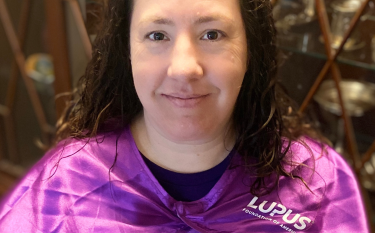
People with lupus often experience fatigue as one of the most common and challenging symptoms. During the Sabbath, the weekly day of rest in Jewish tradition, retreating from the outside world and focusing on family and spiritual nourishment can be especially meaningful for those managing the physical and emotional toll of chronic illness.
“You're not taking focus from work,” Kaplan said, “you're just focused on yourself, your spirituality and your family.”
While lupus symptoms are not always visible, creating supportive spaces can make a meaningful difference for those navigating autoimmune disease.
“Not everyone sees the illness,” Kaplan said. “Don’t assume someone is fine. It’s important to just always be checking in and to show each other compassion.”
It’s important to remember that people living with lupus are members of every faith community, and the need for understanding, accessibility and support extends across all traditions and backgrounds.
“There are misconceptions just in regular society about chronic illnesses and not being seen. We need to focus on how we can help people more, which is really not different than any other community.”
By fostering compassion and inclusion, faith communities can ensure that everyone feels seen and is able to participate in ways that honor their health and wellbeing.
Authored by:
Ian Decker
This blog post and the lupus resources found on the National Resource Center on Lupus are, in part, supported by the Centers for Disease Control and Prevention under Cooperative Agreement Number NU58 DP006139. The contents are solely the responsibility of the developers. Points of view or opinions do not, therefore, necessarily represent official views of the Centers for Disease Control and Prevention or the Department of Health and Human Services.
This blog post is for educational and information purposes only. Consult with your doctor/health care team for medical advice.